
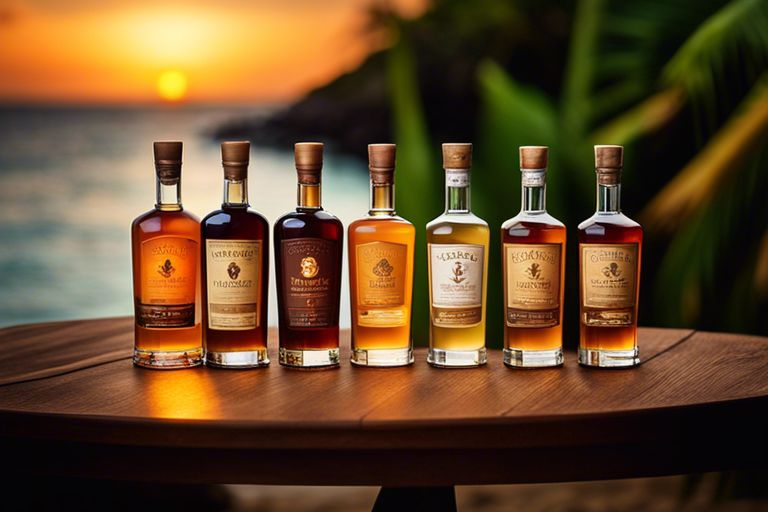

Sipping on exquisite rums from the Caribbean can transport you to sandy beaches and crystal-clear waters with just a single taste. As a connoisseur or a casual rum enthusiast, navigating the vast array of options available can be overwhelming. In this guide, we will take you on a journey through the best sipping rums the Caribbean has to offer, helping you discover new flavors and find your perfect sip. Whether you prefer a smooth and mellow finish or a rich and complex profile, there is a rum out there waiting to tantalize your taste buds.

Understanding Types of Sipping Rums
Your journey into the world of sipping rums begins with understanding the different types available. Each type of rum offers a unique flavor profile and experience, catering to a wide range of palates. Whether you prefer the rich and complex notes of dark rums or the lighter and fresher taste of light rums, there is a perfect sipping rum out there for you. Any true rum enthusiast knows the importance of exploring the various types to find their favorite.
| Dark Rums | Characterized by their deep, molasses-rich flavors and often aged in oak barrels for a richer taste. |
| Light Rums | Recognizable for their subtle sweetness and crisp, clean finish, perfect for mixing in cocktails or sipping neat. |
| Spiced and Flavored Rums | Infused with a variety of spices, fruits, or other flavors to enhance the rum’s profile and create unique tasting experiences. |
Overview of Dark Rums
Clearly, dark rums are known for their robust and full-bodied flavors, often featuring notes of caramel, molasses, and spices. These rums are typically aged longer in charred oak barrels, which imparts a deep amber color and complex taste profile.
Characteristics of Light Rums
While light rums are more subtle in flavor compared to dark rums, they offer a refreshing and smooth drinking experience. Light rums are often used in cocktails due to their versatile nature and ability to complement various mixers.
Overview of Light rums is more about the light, crisp notes they offer. These rums are usually aged for a shorter period or not aged at all, resulting in a lighter color and a milder taste profile.
Exploring Spiced and Flavored Rums
Exploring the world of spiced and flavored rums opens up a whole new realm of possibilities for unique and exciting sipping experiences. These rums can be infused with a wide range of ingredients, such as vanilla, cinnamon, or tropical fruits, to create a rich and flavorful profile that is perfect for sipping on its own or mixing into cocktails.
Sipping on a spiced or flavored rum introduces a fun twist to the traditional sipping experience, offering a burst of exotic flavors that tantalize the taste buds and leave a lasting impression.

Tips for Selecting the Perfect Sipping Rum
If you’re looking to elevate your sipping experience with a fine Caribbean rum, there are a few key considerations to keep in mind. Here are some tips to help you select the perfect sipping rum:
- Consider the age of the rum
- Look for rum made from high-quality sugarcane
- Explore the different regional variations for unique flavors
Any of these factors can greatly impact the taste and overall experience of the rum you choose, so take your time to explore and find the perfect bottle for your palate.
Age Matters: Understanding Rum Aging Process
Selecting the perfect sipping rum also involves understanding the aging process. The age of a rum can significantly affect its flavor profile, with older rums typically offering more complex and nuanced taste profiles.
The Role of Sugarcane and Fermentation
An important factor in the production of rum is the type and quality of the sugarcane used, as well as the fermentation process. Different types of sugarcane and fermentation methods can result in rums with varying flavor profiles and characteristics.
Tips for choosing the best sipping rum include looking for rums made from sugarcane varieties known for producing flavorful and high-quality rums, as well as rums that undergo a careful fermentation process to bring out the unique flavors of the sugarcane.
Regional Variations: Island-Hopping for Flavor
Process of island-hopping for flavor can lead you through a delightful exploration of the various rum-producing regions in the Caribbean. Each island offers unique terroir, distillation techniques, and aging processes that result in rums with distinctive flavors and aromas.
Understanding the regional variations in rum production can help you discover new and exciting sipping rums that cater to your specific taste preferences. From the rich and bold rums of Jamaica to the smooth and elegant rums of Barbados, each Caribbean island has something special to offer in the world of sipping rums.
A Step-by-Step Guide to Tasting Sipping Rums
Many rum enthusiasts enjoy sipping rums for their complex flavors and aromas. To fully appreciate the nuances of these spirits, it’s important to taste them properly. Here is a step-by-step guide to help you make the most of your rum tasting experience:
| 1. Preparing Your Palate | 2. Identifying Flavors and Aromas |
| 1. Cleaning Your Palate | 1. Using Your Sense of Smell |
| 2. Choosing the Right Glassware | 2. Tasting the Rum Neat |
| 3. Controlling the Environment | 3. Identifying Primary Flavors |
Preparing Your Palate: Tips for Rum Tasting
- Start by cleansing your palate with water and plain crackers to remove any lingering tastes.
- Use a tulip-shaped glass to concentrate the aromas of the rum.
- Try to taste in a quiet environment to fully focus on the flavors and aromas of the rum.
This will help you to fully appreciate the complexity of the rum and pick up on subtle nuances that you might otherwise miss.
Identifying Flavors and Aromas
Guide your palate by starting with broad categories such as fruity, spicy, or oaky flavors. Then, try to pinpoint specific notes like vanilla, cinnamon, or caramel.
For instance, you may detect hints of tropical fruits like pineapple or mango, along with warm spices like nutmeg or cloves. These aromas and flavors can vary depending on the aging process and distillation techniques used by the rum producer.
Evaluating Body and Finish
You can evaluate the body of a rum by noting its viscosity and mouthfeel. A fuller body indicates a richer, more complex rum, while a lighter body suggests a more delicate spirit.
Another important aspect to consider is the finish, which is the lingering taste after you swallow the rum. A long finish with pleasant flavors indicates a high-quality sipping rum that has been crafted with care.
Factors to Consider When Buying Sipping Rums
Now, before you initiate on purchasing sipping rums, there are a few key factors to consider to ensure you choose the perfect bottle for your taste preferences.
- Price vs. Quality: What to Expect
- Reading Labels: Understanding Rum Terminology
- The Importance of Provenance and Heritage
Price vs. Quality: What to Expect
To make the most out of your sipping rum experience, it’s important to find the balance between price and quality. Higher-priced rums often indicate better aging processes and premium ingredients, but this doesn’t mean that a lower-priced option can’t surprise you with its taste profile.
Reading Labels: Understanding Rum Terminology
You may come across terms like “aged,” “blended,” or “single barrel” on rum labels. Understanding these terms can help you navigate through the vast array of sipping rums available. Keep an eye out for the age statement, distillation method, and whether it’s a blend of different rums or from a single barrel.
You might also encounter terms like “solera” which indicates a blending method where rums of different ages are combined, resulting in a complex flavor profile.
The Importance of Provenance and Heritage
When dicking out a sipping rum, consider the brand’s heritage and the provenance of the rum. Labels that highlight the distillery’s history or traditional production methods often signify a high-quality product with a rich cultural background. This can add to the overall experience and enjoyment of sipping the rum.
Sipping rums with a strong heritage are often crafted using time-honored techniques that have been passed down through generations, ensuring a depth of flavor and craftsmanship that sets them apart from other spirits.

Weighing the Pros and Cons of Popular Sipping Rums
| Pros | Cons |
| Rich flavors | Higher price point |
| Smooth finish | Limited availability |
| Complexity | High alcohol content |
| Handcrafted production | Not suitable for mixing |
Appleton Estate: A Jamaican Classic
An iconic Jamaican rum, Appleton Estate is known for its smooth yet robust flavor profile. With hints of spice and caramel, it is perfect for sipping neat or on the rocks.
Mount Gay: A Bajan Favorite
Classic rum from Barbados, Mount Gay is celebrated for its rich history and exceptional quality. It offers a balanced combination of sweetness and oakiness, making it a favorite among rum connoisseurs.
Plus, Mount Gay has been producing rum since 1703, making it one of the oldest rum brands in the world.
Brugal: A Dominican Up-and-Comer
With its smooth taste and affordable price point, Brugal rum from the Dominican Republic is gaining popularity among rum enthusiasts. It features notes of vanilla and toffee with a hint of oak, making it a versatile choice for sipping or mixing in cocktails.
With a history dating back to 1888, Brugal has perfected its craft over the years to deliver a high-quality sipping rum experience.
Final Words
On the whole, sipping rums from the Caribbean offer a wide range of flavors and complexities for the discerning palate. Whether you prefer a sweet and smooth rum from Barbados or a rich and bold rum from Jamaica, there is something to suit every taste. By exploring the diverse selection of sipping rums available, you can enhance your tasting experience and truly appreciate the craftsmanship and heritage that goes into each bottle from this tropical region.